


Raising Resilient Kids in Turbulent Times:
A Practical Guide for Parents
In a world filled with uncertainty, social pressures, and emotional challenges, raising resilient children has become one of the most important responsibilities for parents today. Resilience is not just about “bouncing back”—it’s about helping children develop the emotional strength, mindset, and support systems they need to navigate life’s ups and downs. At The Trusted Space, we believe resilience is the ability to positively cope with difficulty by finding meaning, motivation, and balance—even during the toughest times.
What is resilience in children?
Resilience in children refers to their ability to:
- Adapt to stress and adversity
- Manage emotions effectively
- Maintain a sense of hope and self-worth
- Build strong relationships
- Learn from challenges and setbacks
Resilient kids don’t avoid difficulties—they develop the confidence and tools to face them.
Why resilience is important for kids today?
Children today face a wide range of stressors, including:
- Academic pressure
- Social comparison (especially online)
- Identity and belonging challenges
- Uncertainty about the future
Without resilience, these challenges can lead to anxiety, low self-esteem, and emotional overwhelm. With resilience, children are better equipped to:
- Regulate their emotions
- Build confidence
- Handle failure and rejection
- Develop a positive outlook on life
The Triple B approach to raising resilient kids
One of the most effective frameworks for building resilience in children is the Triple B Approach.
The Triple B approach to raising resilient kids
Belief is the foundation of confidence.
- Encourage your child’s strengths and efforts
- Support their dreams and aspirations
- Reinforce trust in their abilities
When children feel believed in, they are more likely to take healthy risks and persevere through challenges.
Bonding Through Connection
Strong relationships are key to emotional resilience.
- Listen to understand—not to judge
- Create safe, open conversations
- Spend quality time together consistently
Children who feel emotionally secure are better able to handle stress and adversity.
Balancing Support and Discipline
Resilience grows when children experience both support and accountability.
- Balance praise with constructive feedback
- Teach responsibility alongside independence
- Set healthy boundaries
This balance helps children develop confidence while understanding consequences.
Practical ways to build resilience in kids
Here are simple, research-backed habits parents can incorporate daily.
- Encourage Gratitude and Tawakkul:
Help children focus on what they have, not just what they lack. Practicing gratitude regularly builds optimism and emotional strength. This can be accomplished by often saying, Alhamdollilah for everything and praying salah on time to thank the One whose the giver of all the blessings.
- Teach Emotional Regulation Skills:
Simple techniques like deep breathing can help children manage big emotions and respond calmly to stress. Grounding techniques like 5-4-3-2-1 can also be introduced gently as effective tools for developing emotional regulation skills.
- Model Patience and Self-Compassion:
Children learn by observing. Show them how to be kind to themselves when things don’t go as planned.
- Focus on the Present Moment:
Encourage children to think about what they can do now, rather than dwelling on past mistakes or future worries.
- Build Strong Support Systems:
Healthy relationships with family, friends, and mentors provide emotional safety and reassurance.
- Set Healthy Limits and Boundaries:
Teach children that it’s okay to rest, ask for help, and recognize their limits.
- Encourage Reflection and Independence:
Give children space to think, process emotions, and learn from their experiences.
When life throws unpleasant things at us that are hard to deal with, we need to keep our balance. If we don’t, we can get lost in our emotions of worry, anger, irritation, guilt or shame and our attention and resources get so sucked up that we don’t have time to stop and take stock of what’s behind our emotions and what really matters to us.
Stephen Joseph
Think Like a Therapist
Real life example of resilience in action
Consider the story of an 11-year-old Muslim boy who raised $900 in just three weeks by selling chocolates for his school. His success wasn’t just about sales—it was about resilience. Watch the full video on resilience of a Muslim boy
He demonstrated:
- Initiative and determination
- Problem-solving skills
- Confidence and perseverence
Most importantly, he had adults who believed in him, supported him, and gave him the space to grow while being good role models. This highlights a key truth: resilience is built through experience, support, and opportunity.
The role of parents in building resilience
Parents play a critical role in shaping a child’s resilience. When faced with challenges, it’s important to:
- Pause and reflect before reacting
- Stay emotionally grounded
- Focus on what truly matters
When parents model calmness, patience, and problem-solving, children naturally adopt these behaviours.
Final thoughts: Raising strong, resilient children
Raising resilient kids doesn’t mean raising perfect kids. It means creating an environment where:
- Children feel safe, heard, and valued
- Mistakes are seen as learning opportunities
- Growth is encouraged, not pressured
- Faith, values, and connection guide decision-making
In turbulent times, resilience is one of the most powerful life skills a child can develop.
Start with three simple steps:
- Believe in them
- Bond with them
- Balance your approach
Take the next step
Learn more about how The Trusted Space can support you, or book a free, no-obligation call to discuss your situation in confidence.
You might also like

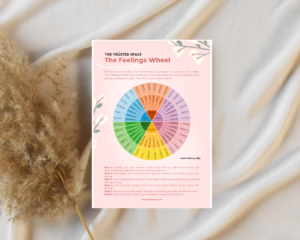
The Feeling Wheel
The Feeling Wheel Emotions can feel overwhelming, especially when you’re not quite sure what you’re feeling or how to express it. This resource introduces the

Identifying Cognitive Distortions
Identifying Cognitive Distortions Our thoughts shape how we feel, respond, and see ourselves, but sometimes, they can become unhelpful or distorted without us even realizing
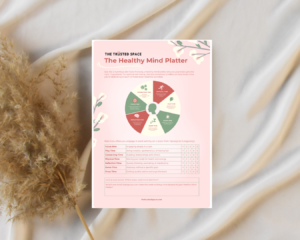
Healthy Mind Platter
Healthy Mind Platter Just like your body needs balanced nutrition, your mind needs the right mix of daily activities to stay healthy and grounded. This